Rules
Rules of gin rummy
Gin rummy is a game for two. Each player builds ten cards into melds, and the first to bring what is left low enough knocks and ends the deal. These are the rules the table enforces, in the order a deal runs.
In short
- 52 cards, ace low. Ten each, one turned up to start the discard pile, and the rest is the stock.
- On your turn, draw from the stock or the pile, then discard one card.
- A set is three or four of a rank; a run is three or more in sequence in one suit. Every other card is deadwood: an ace counts 1, a court card 10, the rest their number.
- Knock with 10 or less in deadwood. Your opponent lays off what they can on your melds, and the lower count scores the difference.
- Gin, no deadwood at all, scores 25 more, and nothing can be laid off on it. An undercut scores the defender 25 more.
- The first to 100 wins the game and 100 for it, and each side adds 25 for every deal it won.
The deal
The whole 52-card pack is used, and the ace is low: it counts one, and it can only start a run. Each player is dealt ten cards. The next card is turned face up to start the discard pile, and the rest go face down beside it as the stock. The deal alternates between the players, and a deal that ends in a wash is dealt again by the same dealer.
The upcard
The first upcard is offered to the player who did not deal, who may take it or pass. If they pass, the dealer may take it or pass. Whoever takes it goes on by discarding. If both pass, the player who did not deal draws from the stock, and play goes on from there.
A turn
A turn is a draw and a discard. Draw the top card of the stock, which nobody has seen, or the top card of the discard pile, which everyone has, so taking it tells your opponent what you are collecting. Then discard one card face up onto the pile. You may not throw back the card you just took from the pile, though a card drawn from the stock may go straight back.
Melds and deadwood
A meld is a set, three or four cards of one rank, or a run, three or more cards of one suit in sequence. Queen, king, ace is not a run, because the ace is low. A card belongs to one meld at a time. Every card outside a meld is deadwood and counts against you: an ace one, two to nine their number, a ten or a court card ten. The table arranges your hand for the least deadwood, so you never have to work it out.
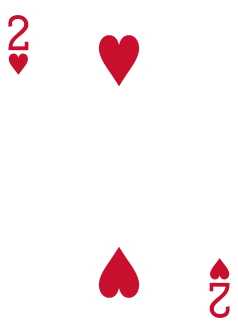
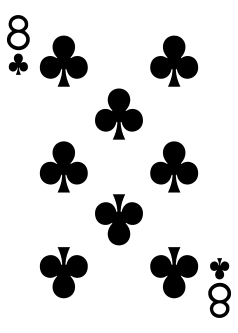
Knocking and gin
Once your deadwood would come to 10 or less after your discard, you may knock: discard face down and lay your hand down, melds and deadwood. With no deadwood at all, you have gin. Nobody has to knock: waiting can win more, or let your opponent knock first.
Laying off
After a knock, the defender lays down their own melds, then lays off what they can on the knocker's: the missing card of a set of three, or the next card at either end of a run. A card laid off counts nothing. Nothing can be laid off on gin. The table lays the defender's hand down the way that leaves them least, and when the knocker's melds could go down two ways, it chooses the one with the fewest places to lay off.
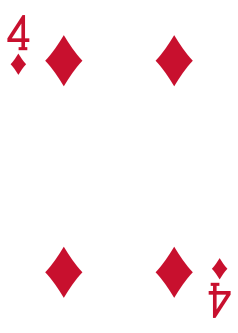
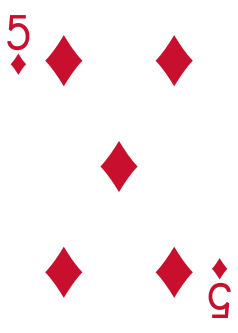
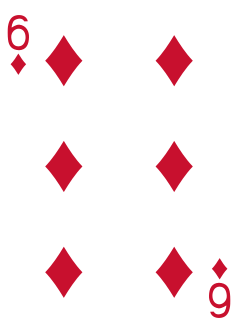
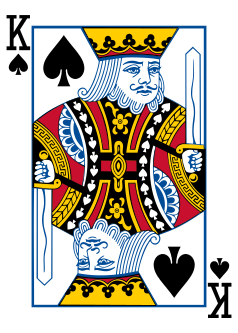
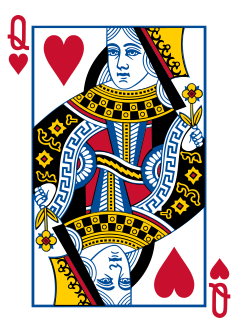
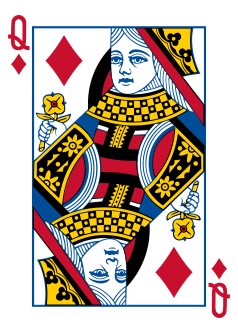
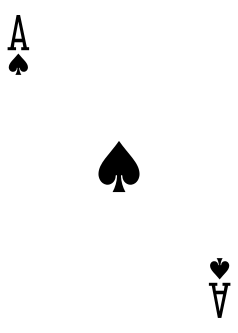
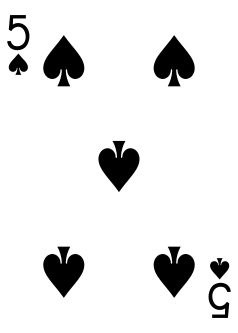
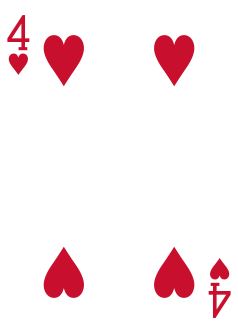
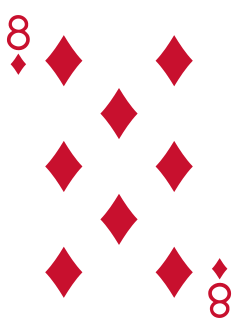
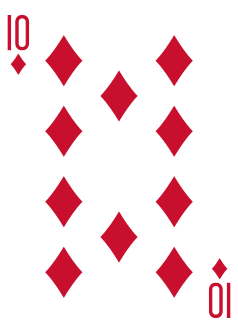
The knocker: deadwood 6
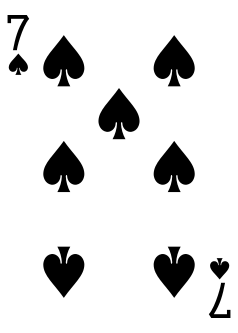
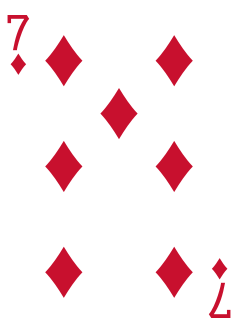
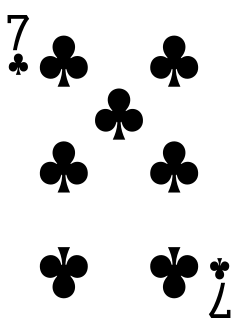
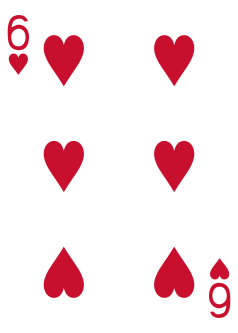
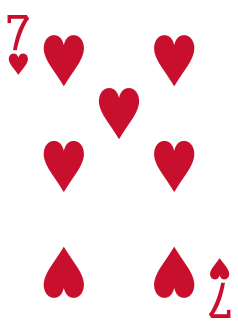
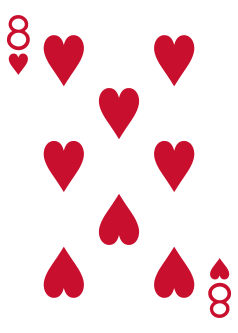
The defender, after laying off: deadwood 30
Scoring a deal
Each side counts its deadwood. If the knocker's count is lower, the knocker scores the difference. If the defender's count is the same or lower, it is an undercut: the defender scores the difference and 25 more. Gin cannot be undercut, and scores 25 and all of the defender's deadwood.
The wash
The last 2 cards of the stock are never drawn. If the player who draws down to 2 discards without knocking, the deal is a wash: nobody scores, and the same dealer deals again.
The game
Deals add up until one side reaches the target, 100 unless the table chooses otherwise. The winner adds 100 for the game, and then each side adds 25 for every deal it won, a box on an old score sheet. If the loser won no deal at all, it is a shutout, and the winner's whole score is doubled.
Oklahoma
Oklahoma gin is the same game with one thing more to watch: the first upcard sets the deal's knock limit at its count, so a seven means you may knock with seven or less, and an ace means gin or nothing. If that card is a spade, everything the deal scores is doubled.